
Medical Technology
Why Medical Equipment Coordination Should Begin During Healthcare Facility Planning
Equipment selection affects room layouts, utilities, access, installation, and clinical workflow. Coordinating these requirements early can reduce avoidable conflicts later in the project.
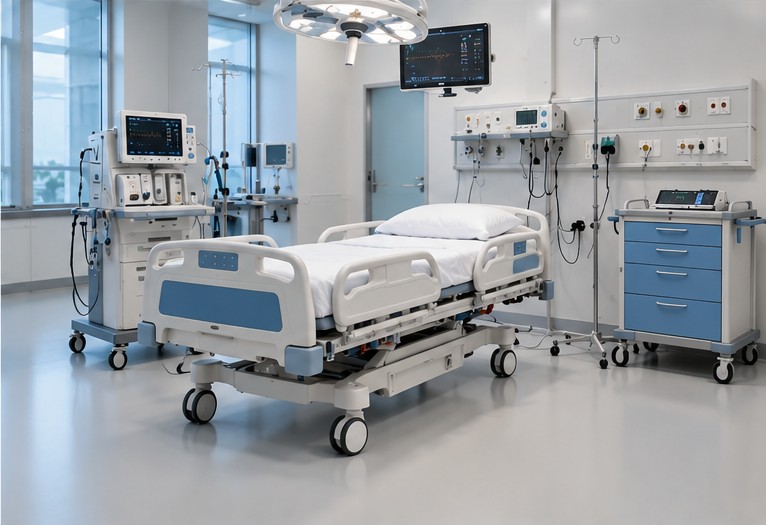
Medical equipment is often discussed near the end of a healthcare project, but many equipment decisions have direct implications for the facility itself. Equipment dimensions can affect room size and circulation. Electrical loads and outlet locations influence the electrical design. Plumbing, drainage, medical gas, data connections, ventilation, access routes, and installation clearances may also depend on the selected equipment and clinical function.
This coordination becomes particularly important for facilities in remote locations, where late changes can affect procurement, shipping, site work, and commissioning. Even when final brands or models have not yet been selected, the project team can define equipment categories, approximate interfaces, utility requirements, and room relationships early enough to inform the building design.
Audie Medical can coordinate medical equipment requirements with healthcare planning, room layouts, building services, and project delivery where included in the agreed scope. For equipment-only enquiries, product selection can also be supported according to the required category and procurement requirements. Detailed specifications, certification, availability, and commercial terms remain subject to the approved product offered for each enquiry.
Planning a Healthcare Project?
Discuss equipment requirements with Audie Medical Sales.